Mobile App Development · 2023
Playmake
Master Thesis HCI - LMU Munich
A board-game-like platform that blends digital information with haptic interactions and allows its users to author custom interactive games without any programming experience.
Overview
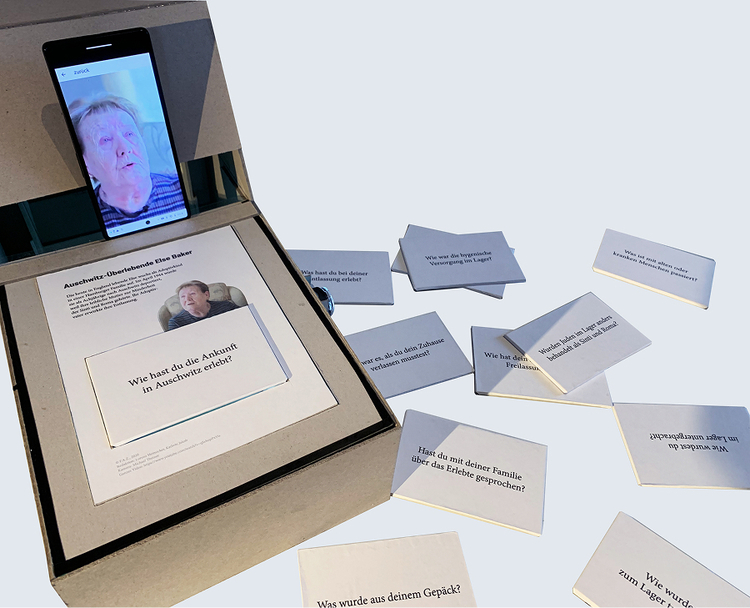
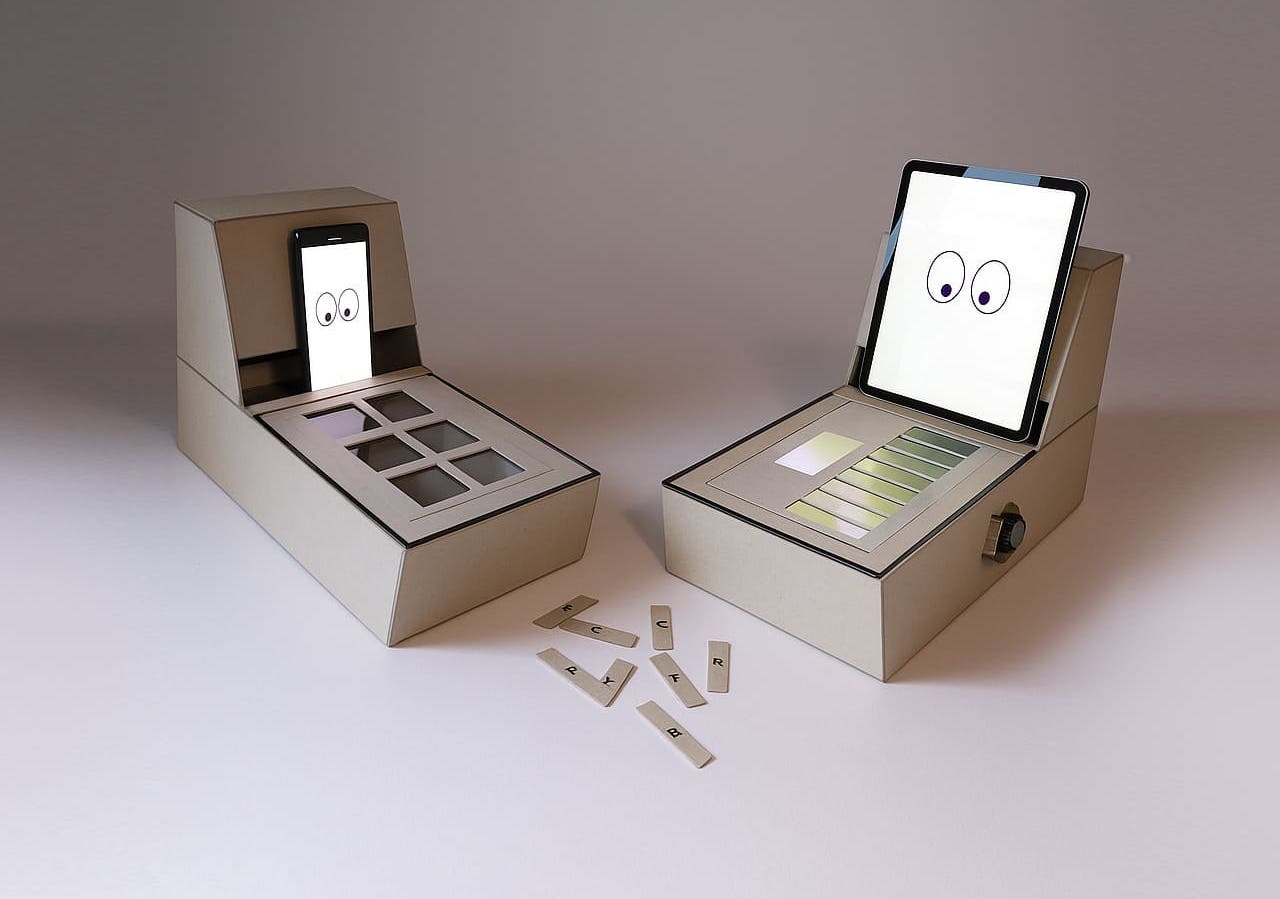
As part of my Master’s in Human-Computer Interaction at LMU Munich, I developed Playmake – a system that empowers teachers to create custom interactive educational games using a smartphone or tablet alongside low-cost, DIY materials.
The goal is to make classroom learning more engaging and accessible through tangible interaction. Unlike purely digital or purely analog methods, this creates richer and more intuitive learning experiences.
However, traditional tangible user interfaces are often expensive and technically complex, which limits their use in everyday classroom settings. Playmake addresses this challenge by rethinking the model: instead of relying on specialized hardware, it leverages existing mobile devices and simple components to create interactive, hands-on learning tools.
This approach allows teachers to design educational games tailored to their students’ needs, complete with real-time feedback and meaningful physical interaction, without needing technical expertise.
What I did
Research:
I conducted qualitative interviews with educators across primary, secondary, and special education to identify real classroom needs, pain points with existing tools, and opportunities for integrating game-based learning.
Concept and Design:
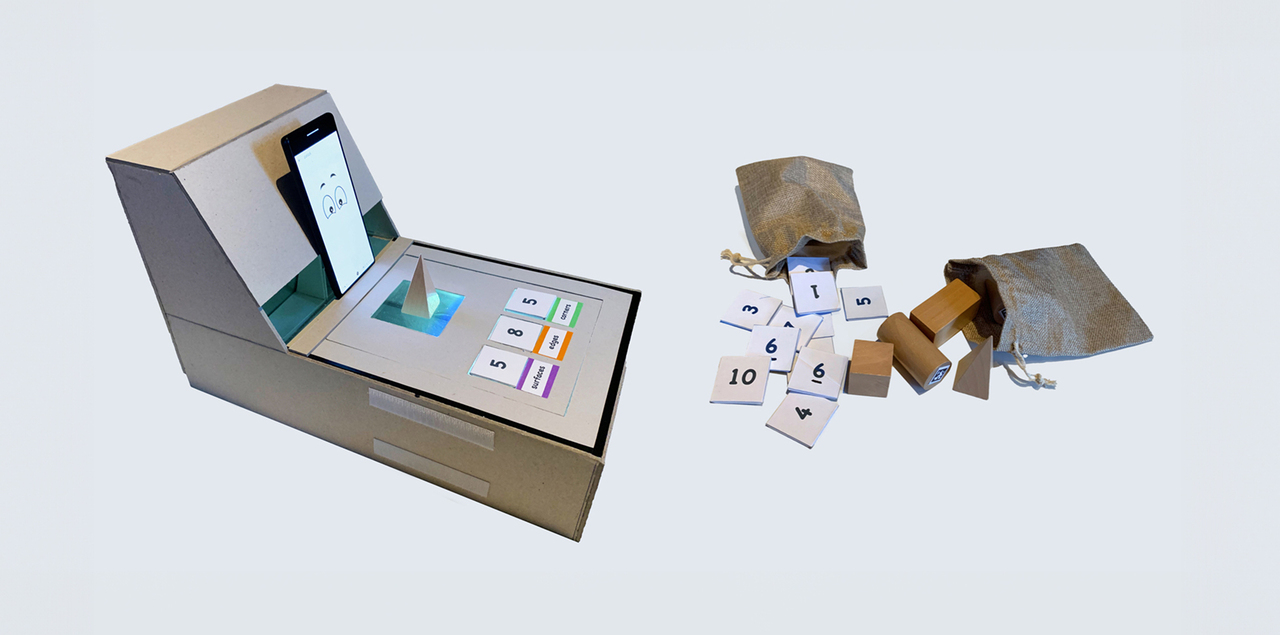
I conceptualized a tangible interface that extends mobile devices with low-cost physical components. I designed an intuitive app interface for teachers to create and adapt educational games.
Prototyping and Development:
I developed a working prototype using Flutter (for cross-platform mobile development), OpenCV (for computer vision), and AprilTags. It includes real-time feedback features and a framework to create custom games with Playmake.
Key Insights
Games boost engagement.
Teachers value game-based learning for improving attention, social interaction, and motivation.
Budget matters.
As schools have very limited budget they need tools that work with existing devices and don’t require extra tech training or materials.
Tactile interaction supports learning.
Physical play benefits different learning styles and encourages deeper involvement.


Outcome
Playmake is a fully functional prototype that makes tangible user interfaces for educational games both accessible and modular. By leveraging smartphone cameras and AprilTag markers, it lets teachers and students create, customize, and play their own learning games.
Five example applications (covering math, literacy, history, and more) showcase the system’s technical robustness and its ability to blend hands-on play with real-time digital feedback.